Compressed air is one of the widely used energy sources in production plants. But the system is incorrectly dimensional, air leakages, high work than requirement...
Energy Consumption in Compressed Air Systems
Compressed air is one of the widely used energy sources in production plants. But the choice of the system incorrect sizing, air leakages, high operating pressure and non-suitable equipment can significantly increase energy consumption.
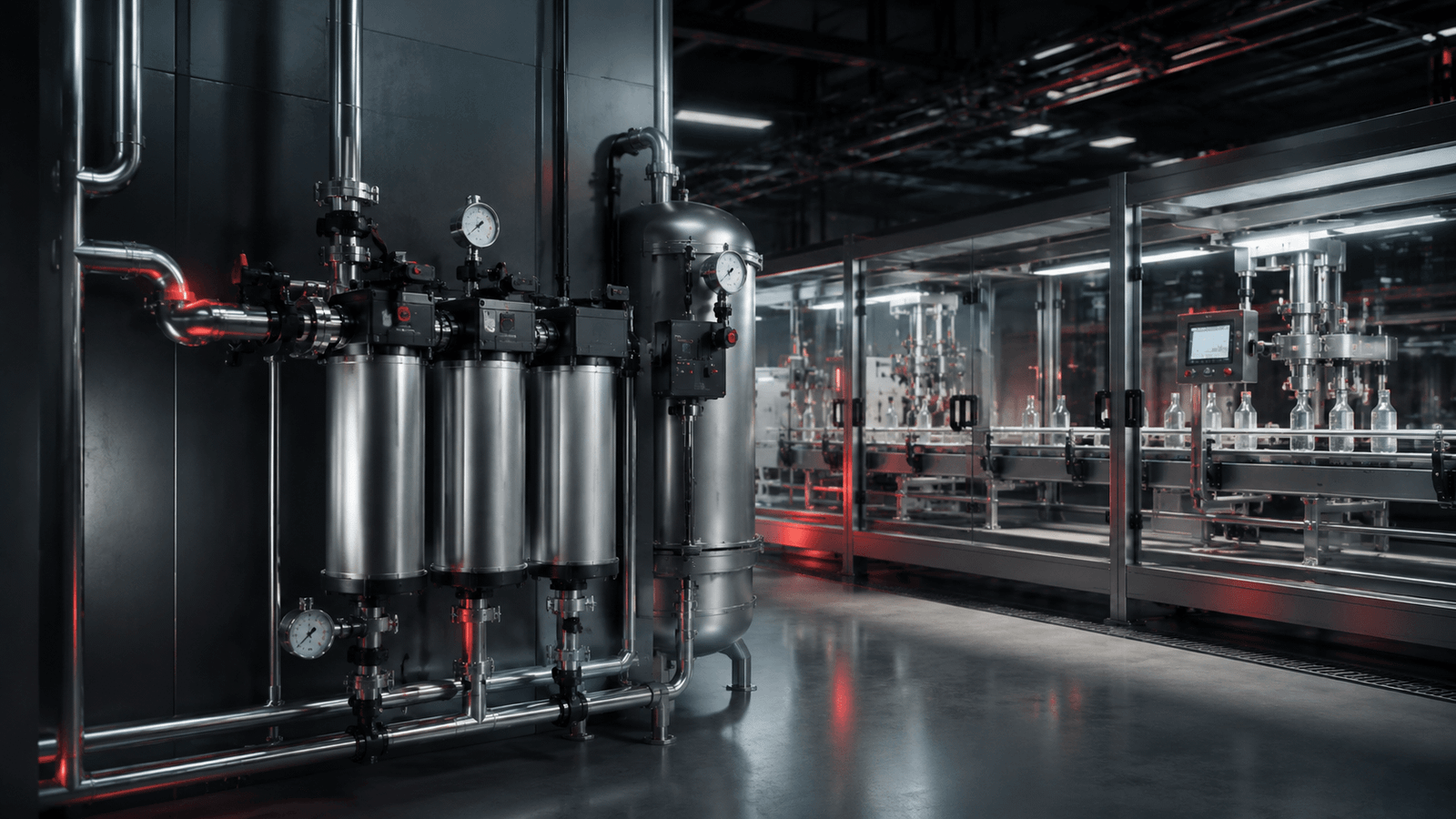
Energy efficiency is not limited only to the performance of the compressor. The whole system efficiency directly affects the system efficiency of pipelineing, filtration, drying, storage and control equipment, extending from the compressor to the point of use.
Air-Leak Control
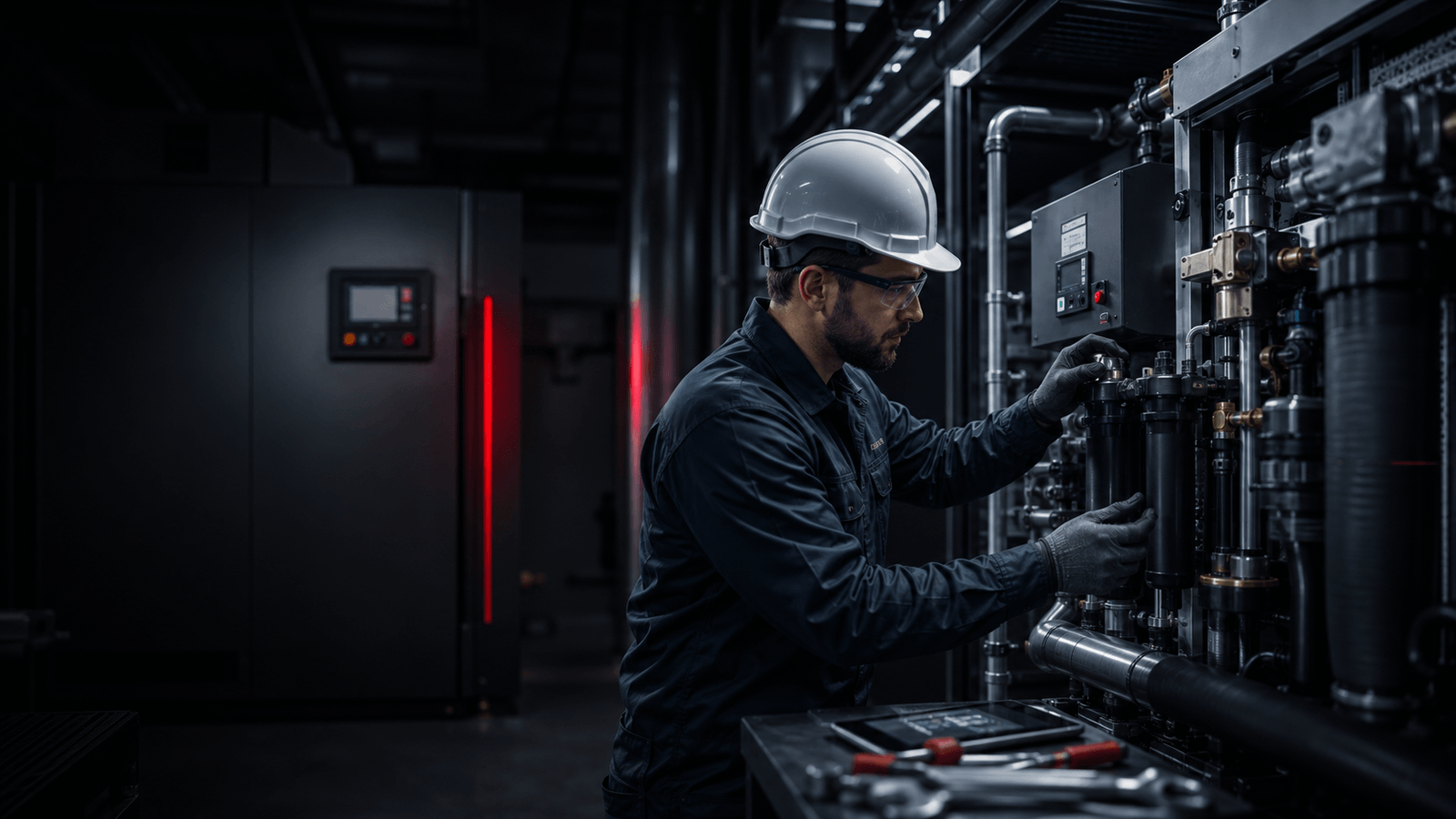
Leaks at fittings, valves, hoses and pneumatic equipment cause compressed air to be wasted. Due to regular leak measurements and planned maintenance studies, these losses can be significantly reduced.
Ultrasonic leakage detection is one of the effective methods that enable the determination of leakage points while manufacturing continues. The removal of specified leakages according to the priority row creates a measured energy saving in a short time.
Accurate Pressure and Equipment Selection
Operating at a pressure higher than required increases energy consumption and can reduce equipment life. The required pressure value for each application should be determined and the appropriate regulation should be provided at the use points.
Choosing compressor, dryer, filter and air tank in the right capacity; the system helps work more stable, efficient and reliable. In order to ensure energy efficiency is sustainable, the system performance should be measured regularly and reported.