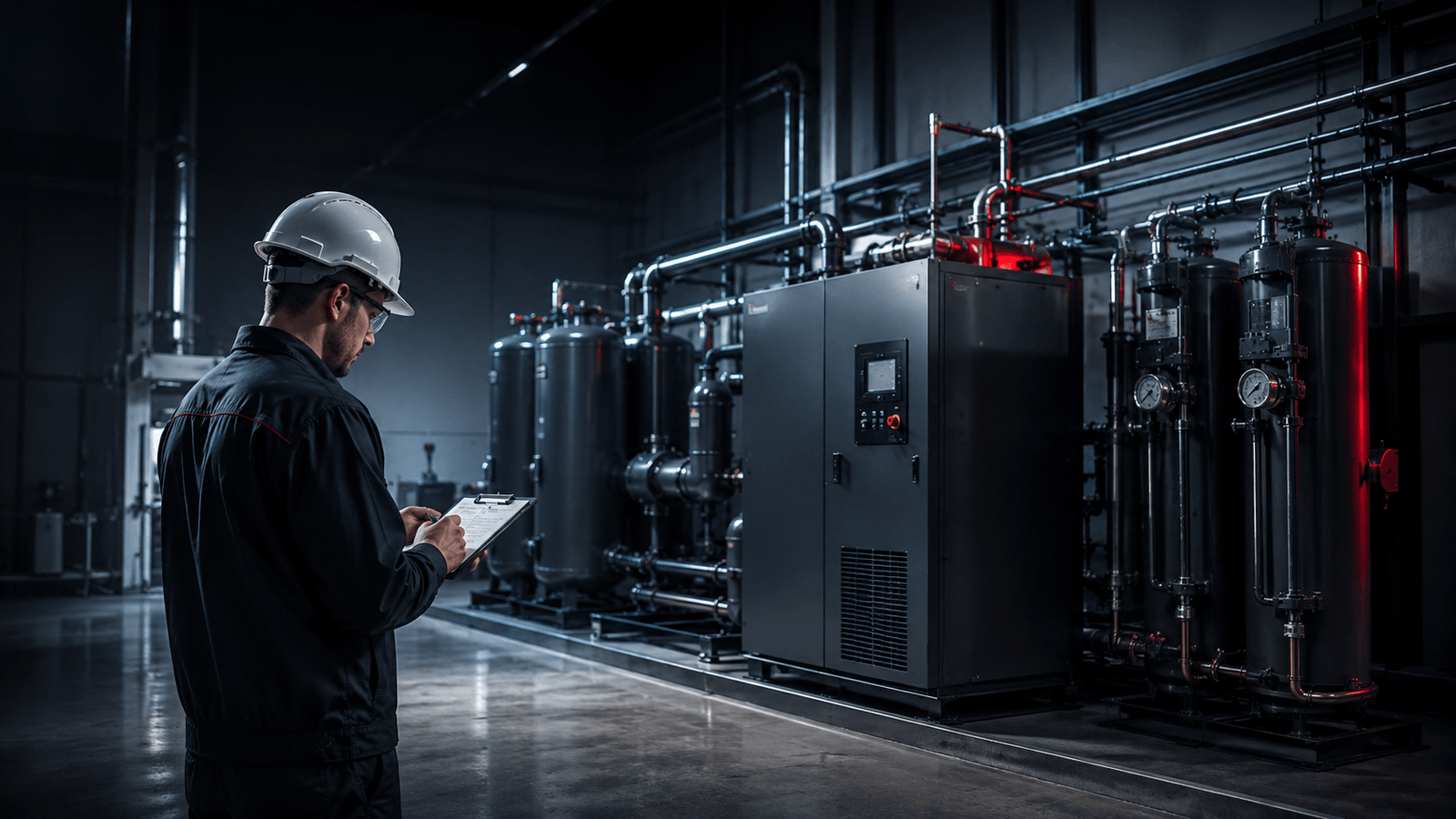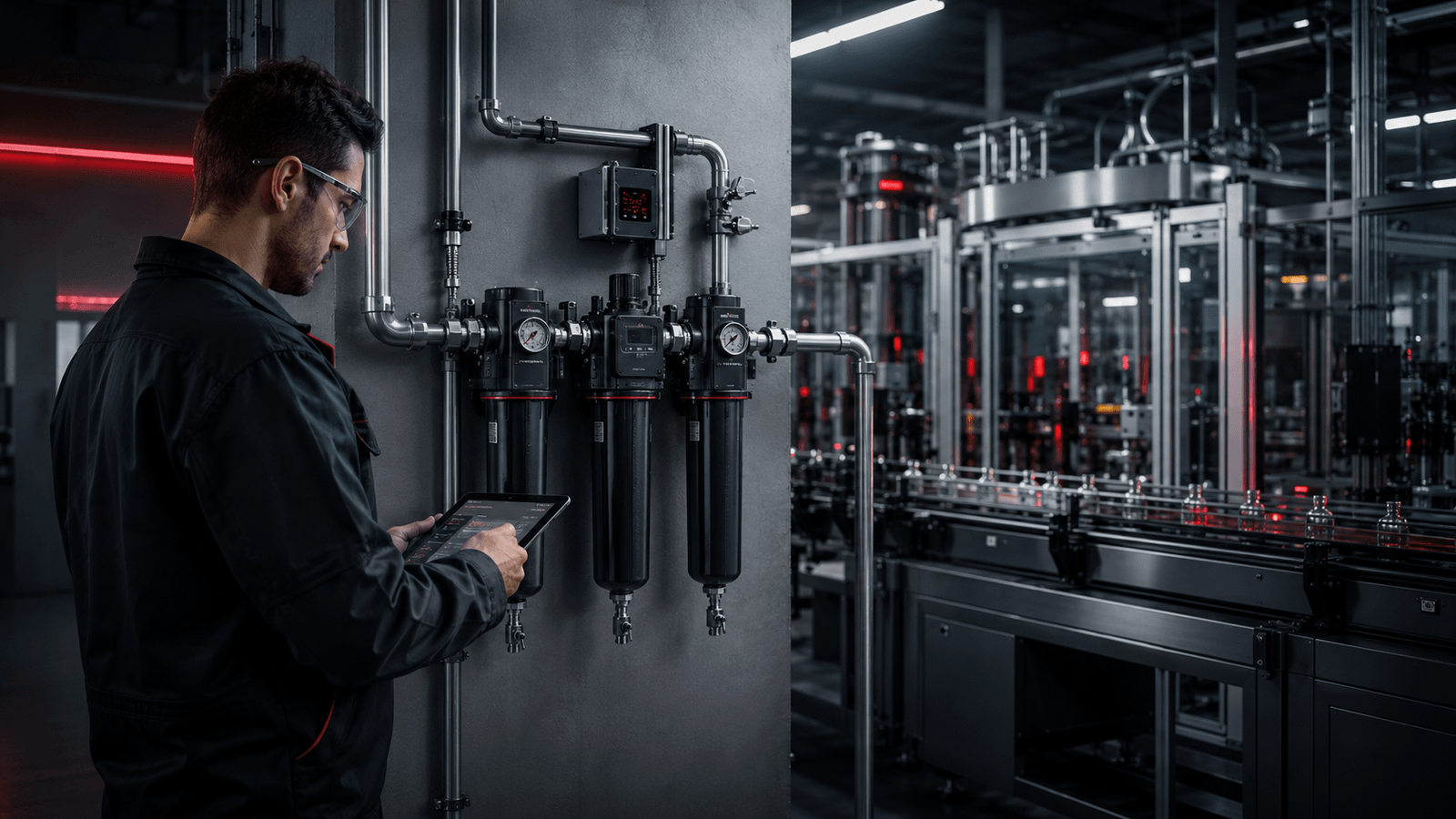
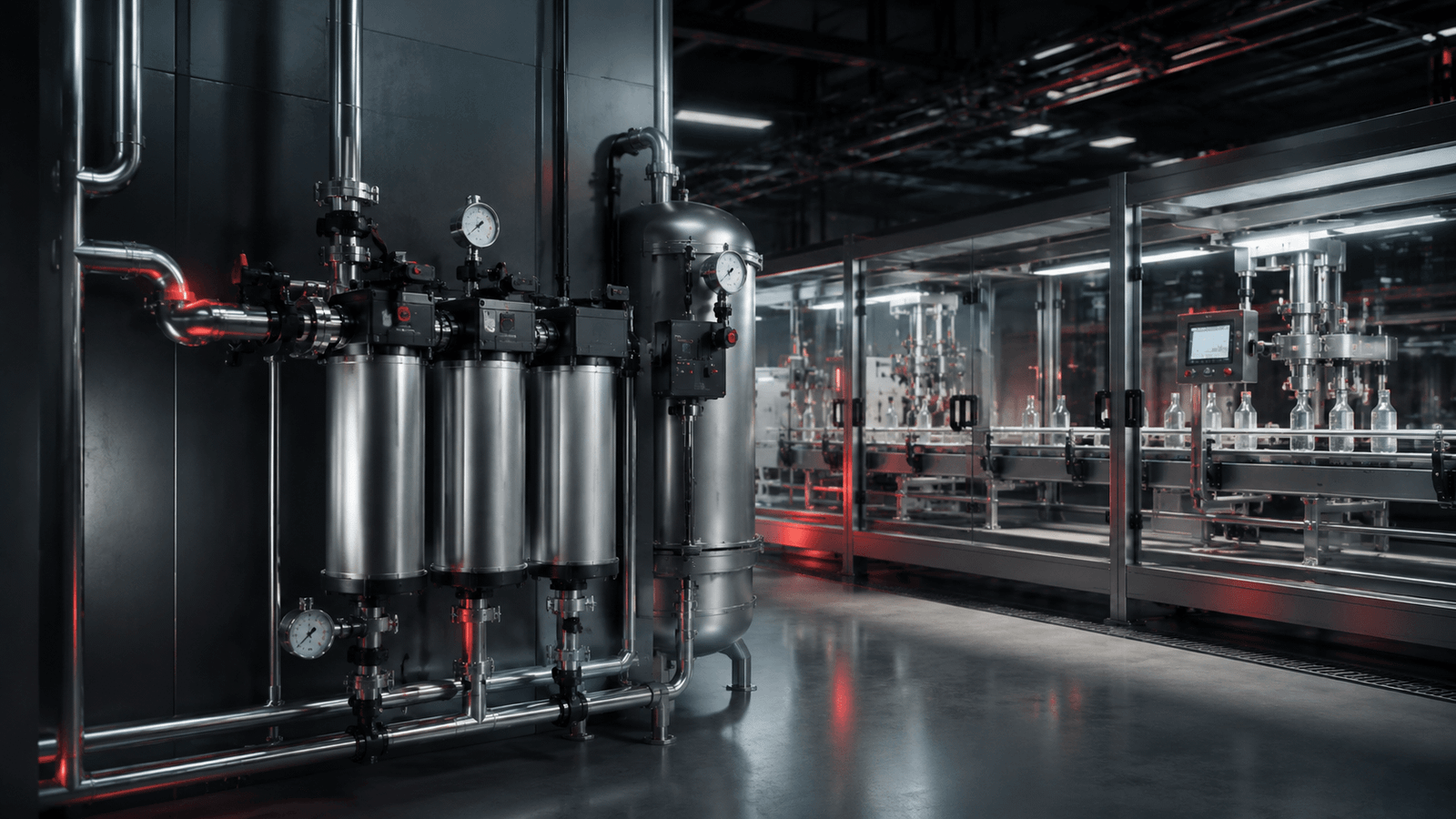
Air taken from the atmosphere; can contain moisture, dust, oil vapor and various particles. The intensity of these contaminants in the air compressed by the compressor increases and...
Contaminants in Compressed Air
Air taken from the atmosphere can contain moisture, dust, oil vapor and various particles. The intensity of these pollutants in the air compressed by the compressor increases and can be transported to the production line.
The contaminants that are not controlled under control; the product quality may result in the fall, malfunction of pneumatic equipment, corrosion and production stoppages in pipelines. Therefore, compressed air quality should be assessed according to the process requirements.
Role of Filtration and Drying
Compressed air filters help to remove solid particles, liquid aerosols and oil residue from the system. Dryers reduce the humidity rate in the air, limit the risk of condensation and corrosion.
The choice of filter and dryer should not be made only according to the flow value. The working pressure, ambient temperature, desired pressure dew point and process precision should be evaluated together.
Determining the Required Air Quality for Each Process
The compressed-air quality requirements of every business are different. With general production applications, there may be significant differences between food, pharmaceutical, electronic or sensitive surface treatment.
Particles, moisture and oil levels in the system may be determined as a result of air quality measurements. Thus, when more than the use of equipment, the necessary safe air quality can be achieved for the process.